Getting to and Around Koh Rong
Koh Rong is one of Cambodia’s most stunning islands, boasting turquoise waters, soft sandy beaches, and a laid-back vibe. But first, you’ll need to get there — and that usually means starting in Sihanoukville.
Getting to Sihanoukville
Most travelers heading to Koh Rong pass through Sihanoukville, Cambodia’s coastal gateway. You can reach Sihanoukville by bus, minivan, train, or flight.
From Phnom Penh, buses and minivans are the most budget-friendly. The journey takes about 3–5 hours, depending on traffic. Giant Ibis, Virak Buntham, and Kampot Express all operate daily services. For a smoother ride, consider booking a VIP van with AC and more legroom.
There’s also a train service run by Royal Railway. Though slower, it’s a scenic and relaxing journey. This train route currently only operates once a day, departing Phnom Penh at 7am and arriving to Sihanoukville approximately seven hours later.
Book your ticket online here on the official Royal Railway website: https://royalrailway.easybook.com
For speed and convenience, flying is also an option. Cambodia Angkor Air and Cambodia Airways both offer flights from Phnom Penh to Sihanoukville. Flight time is only 45 minutes, though delays are not uncommon.
If you’re coming from Siem Reap, it’s best to fly. Overland travel can take up to 12 hours or more.
Still, if money’s tight, the overland route is definitely doable.
Several bus companies offer sleeper buses and hotel buses, costing roughly $20. Take ear plugs (and preferably a travel sleep mask) and keep your valuables well-hidden on your person and with you at all times.
Consider Splitting Your Journey
The journey to Sihanoukville can be long and tiring, especially if you’re coming from Siem Reap or from another destination via Phnom Penh. We recommend spending the night in Sihanoukville before catching the ferry the next morning. It helps you avoid rushing and makes the trip far more enjoyable.
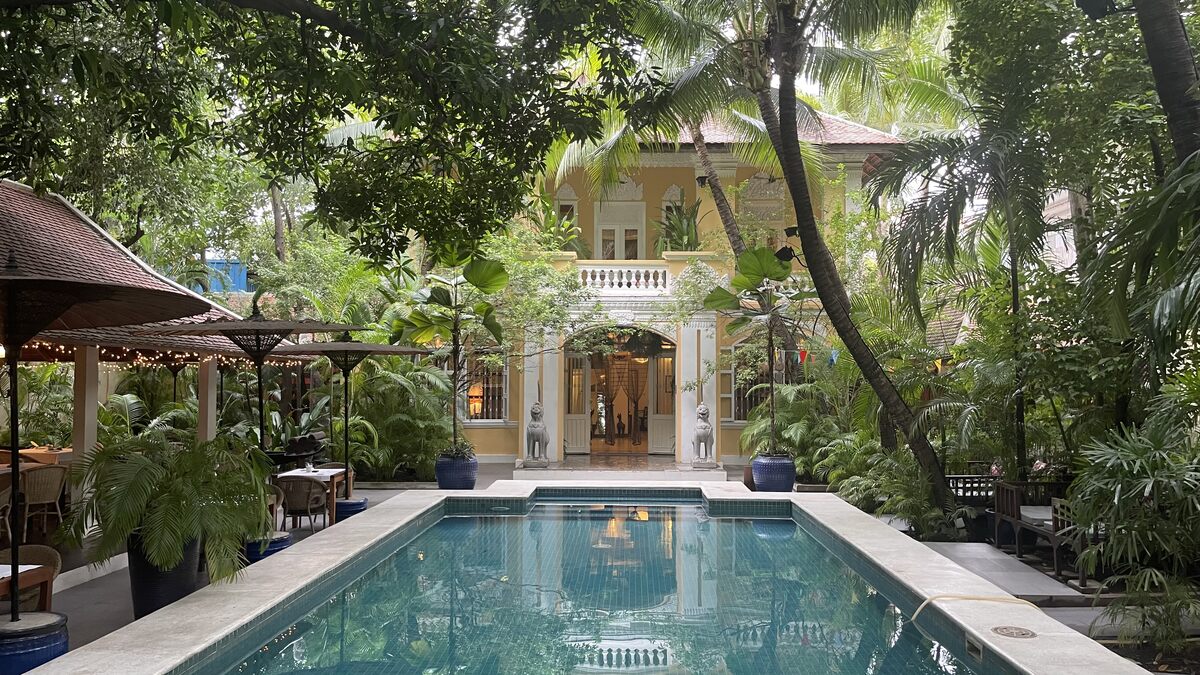
A great place to stay is Paradise Cozy Guesthouse Sihanoukville. The staff here are incredibly helpful, and the rooms offer excellent value for money.
It’s clean, comfortable, and located in a peaceful area. All rooms have air conditioning, a fridge, an ensuite bathroom, a very comfortable bed, and drinks and snacks are available for purchase at Reception.
It’s a family-run business, as far as we can tell, and one of the sisters has a wonderful clothing shop just a few steps from the reception area, selling boutique-style women’s clothing at very reasonable prices.
Plus, it’s just a 10-minute tuk-tuk ride to the Sihanoukville Autonomous Port, where ferries leave for Koh Rong.


When Cambodia Bucket List stayed at Paradise Cozy Guesthouse in Sihanoukville, we paid $25 for a room, which allowed us to relax and catch the early morning ferry to Koh Rong without rushing.
Paradise Cozy Guesthouse Sihanoukville Booking.com: https://www.booking.com/hotel/kh/paradise-cozy-guesthouse-sihanoukville.en-gb.html
Ferry Options to Koh Rong
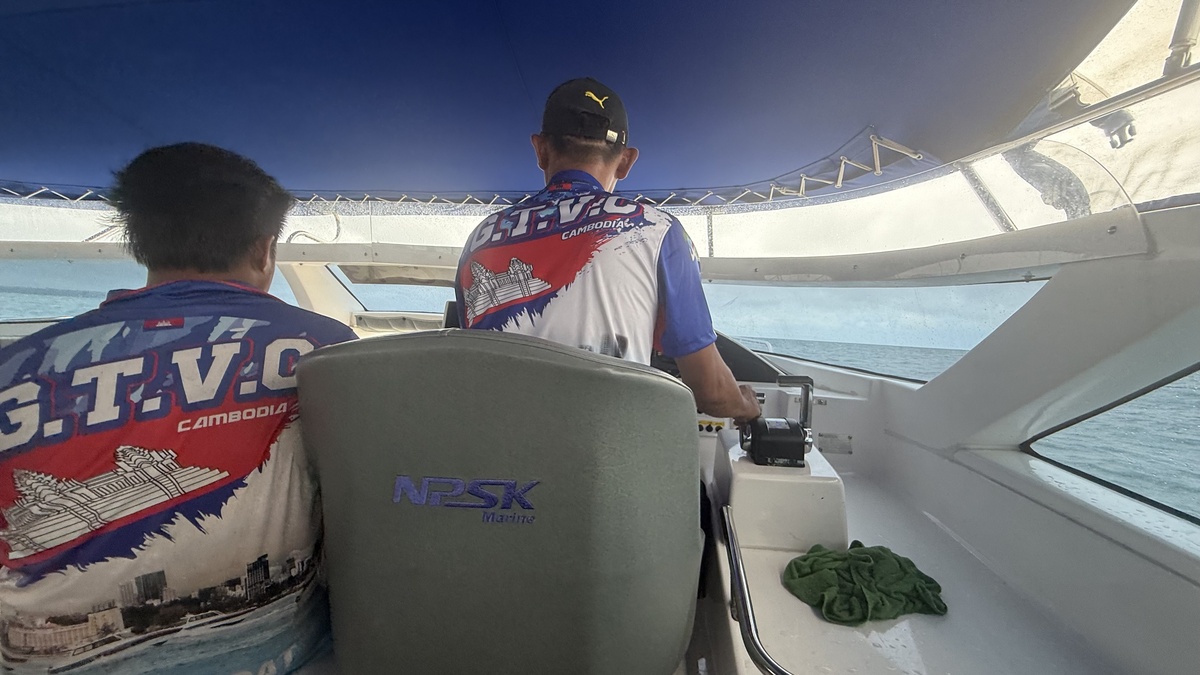
Several ferry companies operate across the Gulf of Thailand, connecting Sihanoukville to Koh Rong. These include Speed Ferry Cambodia, Island Speed Ferry, Buva Sea, and G.T.V.C Cambodia.
At Cambodia Bucket List, we chose to travel with G.T.V.C Cambodia. Their speedboats are reliable and fast, and the ride only takes about 45 minutes. A one-way ticket costs between $14 and $15, and you can book it online or buy it directly at their office at the port.


G.T.V.C Cambodia Website: www.gtvcspeedboatcambodia.com
Where the Ferries Drop Off
Ferries don’t just land at one spot. They drop passengers at various points along Koh Rong’s coast, so it’s important to know where you’re headed.
We chose to be dropped off at Koh Toch (also spelled Koh Touch) Village. It’s the island’s main hub with restaurants, bars, and budget accommodation. From here, you can easily arrange transport to other parts of the island.


Getting Around Koh Rong
Once you’re on Koh Rong, you’ve got two main ways to get around: tuk-tuks or renting a scooter (moped). Let’s break it down.
Option 1: Tuk-Tuks on Koh Rong
Tuk-tuks are a popular choice, especially for travelers not keen on riding scooters. You’ll find them parked at Koh Toch or waiting around the main beach areas.
Pros:
- No need to worry about navigation or road conditions.
- Great for groups or those with lots of luggage.
- Drivers often act as informal guides.
Cons:
- More expensive than scooters, especially for longer trips.
- Availability can be limited at night or in remote areas.
- Some roads are rough, and tuk-tuks can struggle on hills.
Tip: Always agree on a price before your ride. Expect to pay more for remote beaches or during peak season.
Option 2: Renting a Scooter
If you’re confident on two wheels, renting a scooter gives you freedom. It’s the best way to explore the island at your own pace.
Pros:
- Total freedom to explore beaches and viewpoints.
- Affordable daily rental costs.
- You can stop whenever and wherever you like.
Cons:
- Some roads are steep, muddy, or unpaved.
- Not suitable if you’ve never ridden a scooter before.
- Safety gear may be limited.
Scooter rental usually costs $10–$15 per day, and fuel is easy to buy in small bottles at roadside stalls. Just take it slow, especially after rain when the roads can be slippery.
We’ve seen several scooter accidents where the rider got on and crashed within minutes because they didn’t know how to ride.
Our tip is to remain stationary on your scooter until you can confidently and quickly control the throttle and brake systems.
Cambodia Bucket List opted to travel around the island by tuk-tuk due to the heavy gear we were carrying. A friend from the island recommended we call Marady, and he turned out to be a great guy and an excellent tuk-tuk driver. He charged us fair prices and patiently waited while we were filming or flying our drone.
As an example, when we visited the very north of the island from Koh Toch, Marady waited for two hours while we filmed and ate at one of the mangrove river restaurants. The total round-trip cost was $20.


Koh Rong’s Road Conditions
Koh Rong has improved its infrastructure in recent years, but some areas remain challenging. Paved roads connect the ferry terminals to the main villages and resorts. However, many paths to quieter beaches are unpaved and can become muddy in the rainy season.
If you’re heading to Long Set Beach, Sok San Beach, or Coconut Beach, check with locals or your accommodation about the road conditions. A good tuk-tuk driver will know which routes are safest at any time of year.
Travel Warning: Weather Disruptions
Ferries don’t always run — especially during the rainy season. Rough seas can cause major delays. We heard of travelers who waited six days before ferries started running again!
This mostly happens between June and October, but it can occasionally affect the dry season too. If you’re planning to book accommodation elsewhere after your island stay, build in some buffer days just in case.
Bonus Tip: Direct Ferry to Kampot
There’s now a high-speed catamaran that runs directly between Koh Rong and Kampot. It’s a scenic, time-saving alternative to going back through Sihanoukville. We’ll be covering that in detail in our upcoming “Kampot” blog post category — stay tuned!
Getting to and Around Koh Rong: Final Thoughts
Getting to and around Koh Rong is part of the adventure. While the journey might take some planning, the reward is worth it. Once you’re on the island, with the sea breeze on your face and white sand underfoot, it’ll all be forgotten.
Stay flexible, plan smart, and don’t rush your island escape. Whether you’re riding a scooter through jungle roads or chilling in a beachside tuk-tuk, Koh Rong offers that perfect mix of rustic charm and tropical magic.
Ready to tick off your next Cambodian adventure? Koh Rong is waiting.
Ready for your next adventure?
Discover hidden gems, unforgettable experiences, and must-do activities in Phnom Penh and beyond.
👉 Explore more adventures in Koh Rong
🇰🇭 Or uncover other epic destinations across the Kingdom of Wonder at Cambodia Bucket List